
- posted: Aug. 20, 2025
A colonoscopy is one of the most effective tools for detecting and preventing colorectal cancer. At Gastroenterology Clinic, Inc., with multiple locations in Monroe, West Monroe, Ruston, and two dedicated endoscopy centers, patients receive thorough screenings designed to catch potential problems early. One of the most common findings during a colonoscopy is a polyp — but what does that mean for the patient?
Understanding What Polyps Are
Polyps are small growths that develop on the lining of the colon or rectum. They can vary in shape and size, ranging from tiny bumps to larger, stalk-like structures. Most polyps are benign, meaning they are not cancerous, but some types can develop into colorectal cancer over time if left untreated. Because it’s not possible to determine their nature just by looking, removal and testing are essential.
Immediate Removal During the Procedure
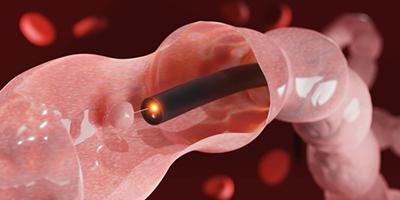
If a polyp is discovered during a colonoscopy, the gastroenterologist typically removes it immediately. This process, called a polypectomy, is done using specialized tools passed through the scope. Most patients do not feel this removal, and it does not significantly extend the procedure time. Removing polyps right away not only prevents potential progression to cancer but also avoids the need for a separate procedure later.
Lab Analysis for Peace of Mind
After removal, the polyp is sent to a pathology lab for analysis. The results determine the type of polyp and whether any follow-up treatment or monitoring is necessary. The majority are harmless, but identifying and documenting them helps guide future screening schedules.
Future Screening Recommendations
The number, size, and type of polyps found influence how soon the next colonoscopy should be scheduled. For some, a standard 10-year screening interval is sufficient. Others may need to return in three to five years, or sooner, if the polyps were of a certain type or size.
Why Early Action Matters
Polyps often cause no symptoms, which is why routine colonoscopies are so important. By removing them early, the risk of developing colorectal cancer is greatly reduced. The team at Gastroenterology Clinic, Inc. emphasizes proactive care, ensuring patients have both the information and support they need to maintain colon health.
For comprehensive colon screening and expert treatment, patients in Monroe, West Monroe, Ruston, and surrounding communities can contact Gastroenterology Clinic, Inc. at (318) 325-2634. With skilled providers and state-of-the-art endoscopy centers, each patient receives attentive, thorough care every step of the way.
- posted: Aug. 20, 2025
A colonoscopy is one of the most effective tools for detecting and preventing colorectal cancer. At Gastroenterology Clinic, Inc., with multiple locations in Monroe, West Monroe, Ruston, and two dedicated endoscopy centers, patients receive thorough screenings designed to catch potential problems early. One of the most common findings during a colonoscopy is a polyp — but what does that mean for the patient?
Understanding What Polyps Are
Polyps are small growths that develop on the lining of the colon or rectum. They can vary in shape and size, ranging from tiny bumps to larger, stalk-like structures. Most polyps are benign, meaning they are not cancerous, but some types can develop into colorectal cancer over time if left untreated. Because it’s not possible to determine their nature just by looking, removal and testing are essential.
Immediate Removal During the Procedure
If a polyp is discovered during a colonoscopy, the gastroenterologist typically removes it immediately. This process, called a polypectomy, is done using specialized tools passed through the scope. Most patients do not feel this removal, and it does not significantly extend the procedure time. Removing polyps right away not only prevents potential progression to cancer but also avoids the need for a separate procedure later.
Lab Analysis for Peace of Mind
After removal, the polyp is sent to a pathology lab for analysis. The results determine the type of polyp and whether any follow-up treatment or monitoring is necessary. The majority are harmless, but identifying and documenting them helps guide future screening schedules.
Future Screening Recommendations
The number, size, and type of polyps found influence how soon the next colonoscopy should be scheduled. For some, a standard 10-year screening interval is sufficient. Others may need to return in three to five years, or sooner, if the polyps were of a certain type or size.
Why Early Action Matters
Polyps often cause no symptoms, which is why routine colonoscopies are so important. By removing them early, the risk of developing colorectal cancer is greatly reduced. The team at Gastroenterology Clinic, Inc. emphasizes proactive care, ensuring patients have both the information and support they need to maintain colon health.
For comprehensive colon screening and expert treatment, patients in Monroe, West Monroe, Ruston, and surrounding communities can contact Gastroenterology Clinic, Inc. at (318) 325-2634. With skilled providers and state-of-the-art endoscopy centers, each patient receives attentive, thorough care every step of the way.